


VirtualDJ vs. Serato DJ – which one is better for you? Both are fully capable DJ platforms, but they differ quite a bit when it comes to hardware support, customization, licensing, streaming services, and general workflow. I’ll quickly compare the most important differences to help you choose.
Overall, the base functionality of both VirtualDJ and Serato is really similar and the main features remain close to the same in both pieces of software. It all boils down to two things: small yet substantial differences in extended workflow and private user preferences.
Price and licensing options
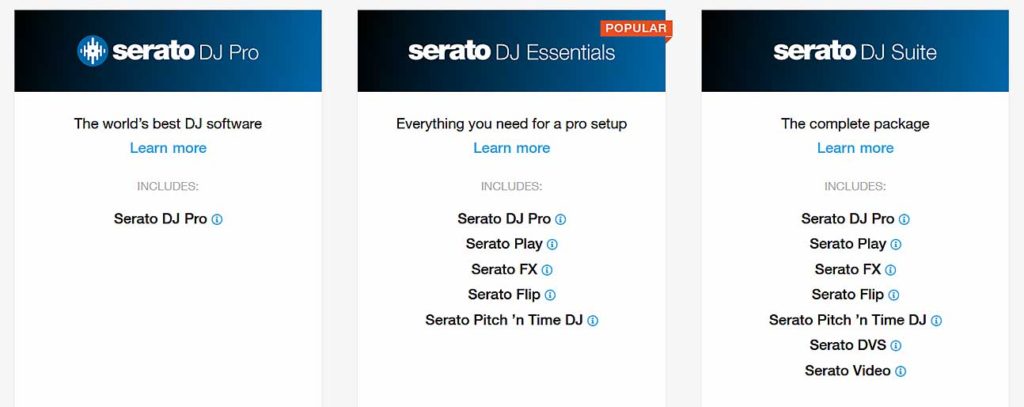
Serato DJ Pro & Lite
Serato DJ is available as the free Serato DJ Lite and the more fully featured Serato DJ Pro. Lite works with a large number of entry-level controllers, while Pro adds features such as mix recording, more Hot Cues and Sampler slots, Smart Sync, key analysis, MIDI mapping, and more advanced performance tools.
Serato DJ Pro is available as either a subscription or a one-time purchase. Some supported DJ hardware also unlocks Serato DJ Pro automatically while connected, so you don’t always need to buy a separate license.
Additional features such as DVS, Serato Video, Pitch ‘n Time DJ, Flip, Play, and expanded FX are available through Serato’s Expansions and Serato DJ Suite.
VirtualDJ software
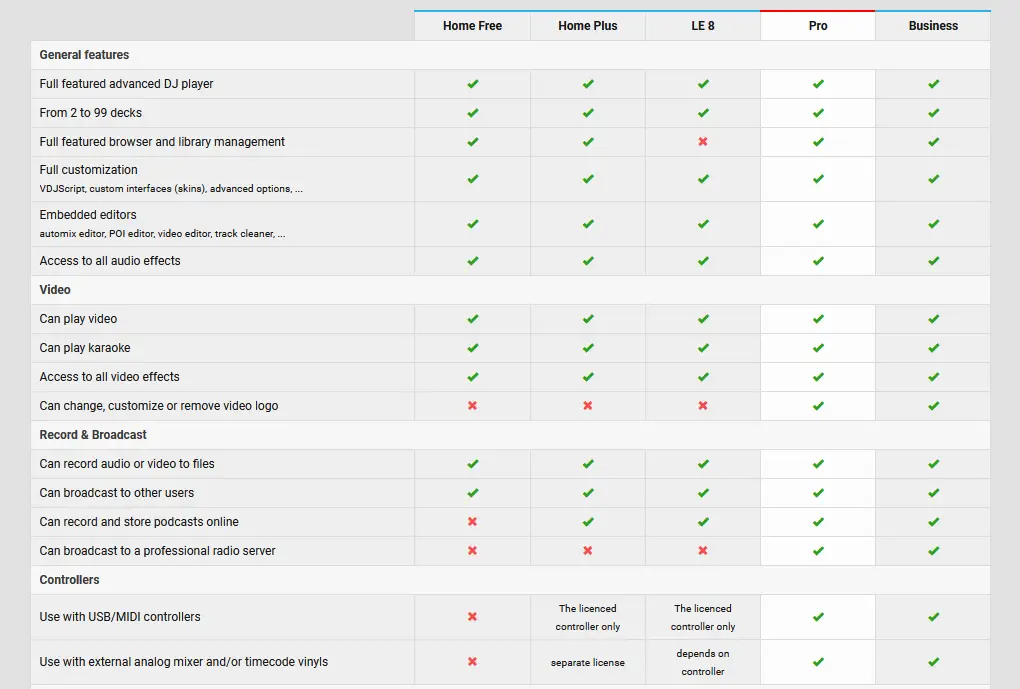
VirtualDJ can be used for free for non-professional laptop-only use without professional DJ hardware. If you’re using an entry-level controller at home, VirtualDJ also offers a cheaper Home license, while professional use and unrestricted controller support require a Pro license.
VirtualDJ Pro is available as a monthly subscription, while a Pro Infinity license is also available as a one-time purchase.
There are also many expansion packs available for VirtualDJ, featuring new GUI skins, audio samples, further extending your FX modules functionality and much more. All of these are completely free and available for a quick download from inside the VirtualDJ software (albeit some may require VirtualDJ Pro license to function).
Here is a snippet from the different licensing options comparison taken from the official VirtualDJ website.
Pricing – VirtualDJ & Serato DJ software
Serato DJ Pro is currently cheaper than VirtualDJ Pro on a monthly subscription, while their one-time Pro licenses are priced much more closely. Since software pricing can change, I’d check the official pricing pages before making a decision based mainly on cost.
In terms of exact pricing, as the prices may change over time please refer to official Serato & VirtualDJ sites linked below.
- Serato DJ Pro pricing – https://serato.com/dj/pro/buy-dj-pro
- VirtualDJ pricing – https://www.virtualdj.com/products/virtualdj/price.html
Serato DJ Lite vs. Serato DJ Pro
Serato DJ Lite is the free, cut-down version of Serato DJ Pro. It’s perfectly usable for learning and basic mixing, but Pro unlocks a much larger feature set.
After a paid upgrade to Serato DJ Pro you will unlock many additional software features such as mix recording, more customizable audio FX, more Sampler & Hot Cue point slots and so on.
I’ve compared Serato DJ Lite and Pro in much more detail here: Serato DJ Lite vs. Pro (12 Most Important Differences)
Controllers such as the DDJ-REV1, DDJ-FLX4, and Numark Mixtrack Platinum FX can also expose additional functionality when used with Serato DJ Pro rather than Lite.
Supported DJ controllers
In terms of sheer number of officially supported DJ controllers the VirtualDJ software takes the lead. Other than that, you are also able to use unsupported DJ hardware with VDJ, using their extensive and highly customizable MIDI mapping functionality (however that requires some work on your side).
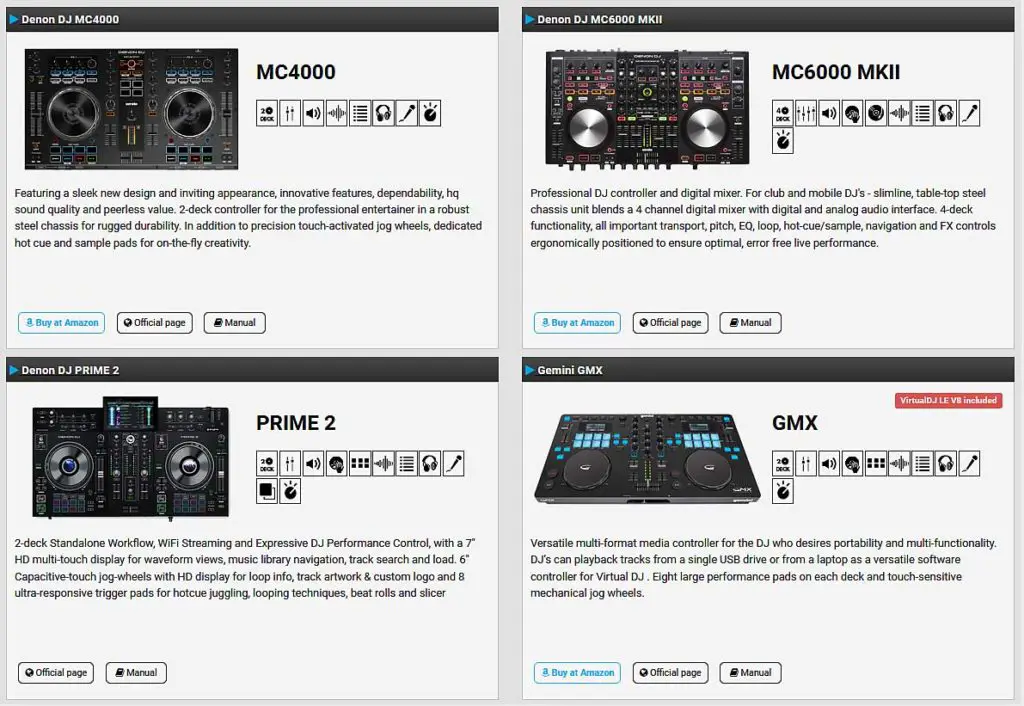
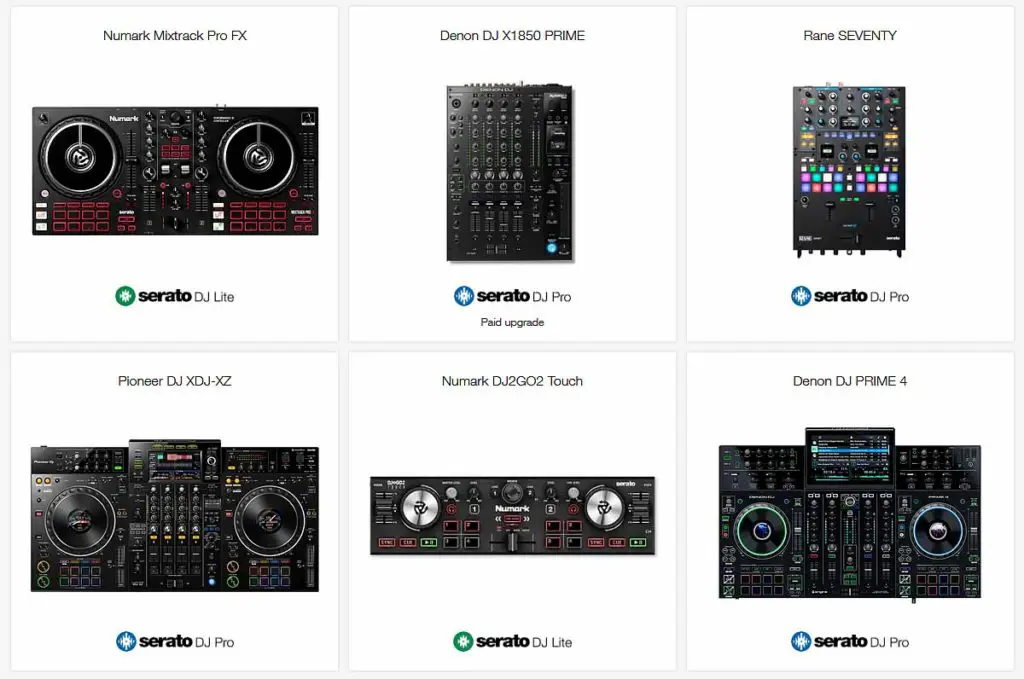
Serato on the other hand while having a smaller number supported DJ controllers, has in general better affinity with the controllers that are natively meant to work with Serato DJ software.
Controllers designed primarily around Serato may have some controls or workflows that behave differently in VirtualDJ, so it’s worth checking VirtualDJ’s hardware manual for your exact controller before switching software.
When it comes to older or lower-end DJ controllers made by less popular gear manufacturers, VirtualDJ also has an advantage, fully supporting many of these obscure or often forgotten hardware options.
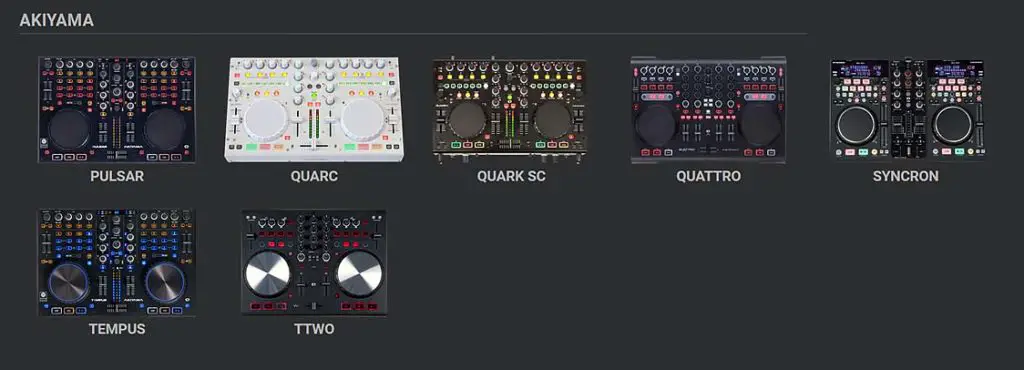
You can check the current lists of officially supported hardware for both pieces of software here:
– VirtualDJ hardware support list – http://www.virtualdj.com/products/hardware.html
– Serato DJ hardware support list – https://serato.com/dj/hardware
Both Serato DJ and VirtualDJ support DVS. You can learn more about that here: DVS And Timecode Explained. (A Simple Guide)
MIDI controller mapping capabilities
VirtualDJ offers a tremendous amount of custom MIDI mapping features. Not only you are able to remap almost any button, knob, fader or switch on your DJ controller, but also map completely new, unsupported MIDI devices all to your preference and liking.
Moreover, in VirtualDJ you can quite easily map almost all software functions to your computer’s keyboard, which can enable you to perform a simple mix without using your DJ controller.
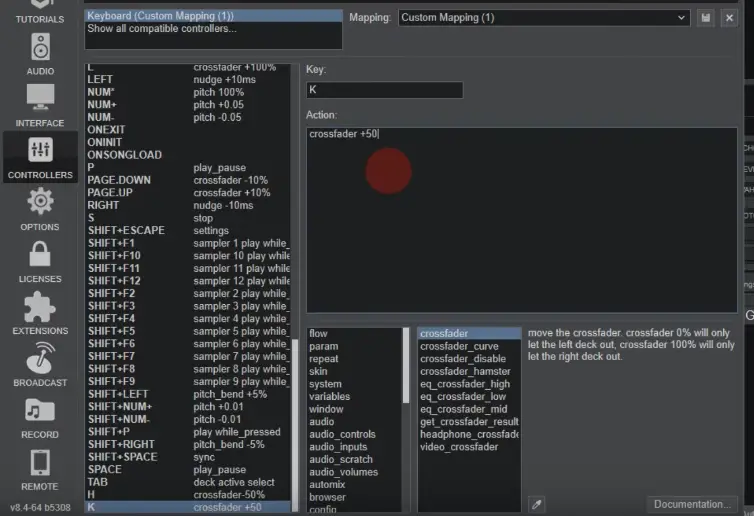
Serato DJ Pro also supports custom MIDI mapping. You can remap compatible controls on supported Serato hardware and assign functions to secondary MIDI devices.
VirtualDJ still goes considerably further in this area. Its controller system and VDJScript give you much deeper control over custom mappings, keyboard shortcuts, and non-standard hardware setups.
If deep controller customization or unusual MIDI hardware is important to you, VirtualDJ is generally the more flexible choice.
Settings and customization options + expansion packs
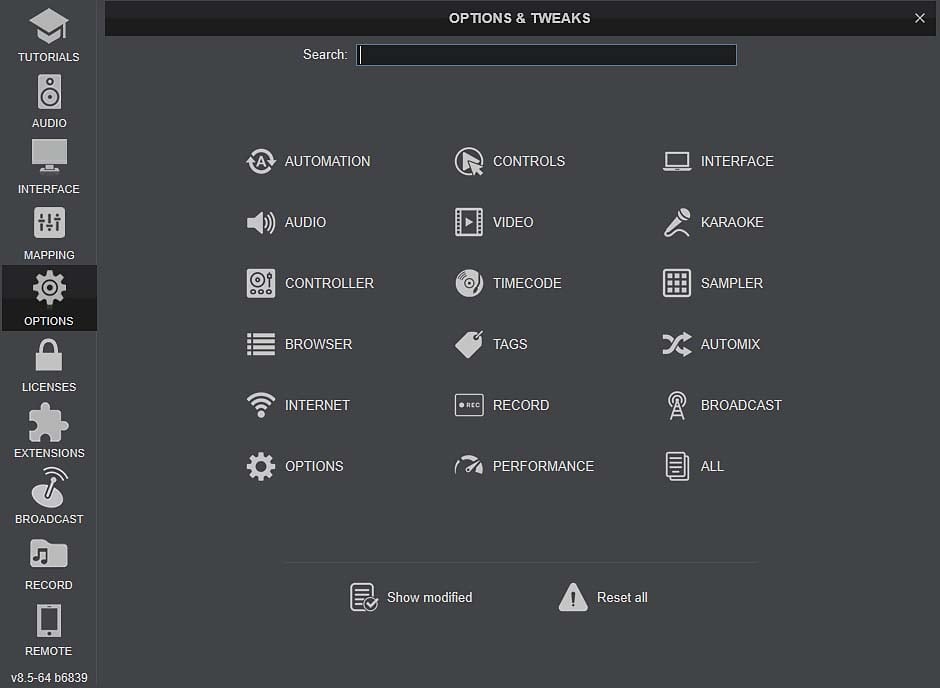
In terms of user customization and access to advanced settings VirtualDJ is a clear winner. The amount of settings available inside the software is tremendous and may even feel overwhelming at first. You have access to settings such as advanced jog wheel control settings, custom on-screen buttons, custom FX triggers and almost all of the software functions are quite easily MIDI-mappable. There are simply too many additional features that VirtualDJ software offers to mention all of them here.
In Virtual DJ you can also choose from many GUI skins and addons (made by the VDJ community) that extend the software functionality even further. The addons feature extended audio FX modules, audio samples, pad modes and much more.
The addons/extensions in VirtualDJ are completely free, although some of them might require you to have purchased the VirtualDJ Pro license to use them.
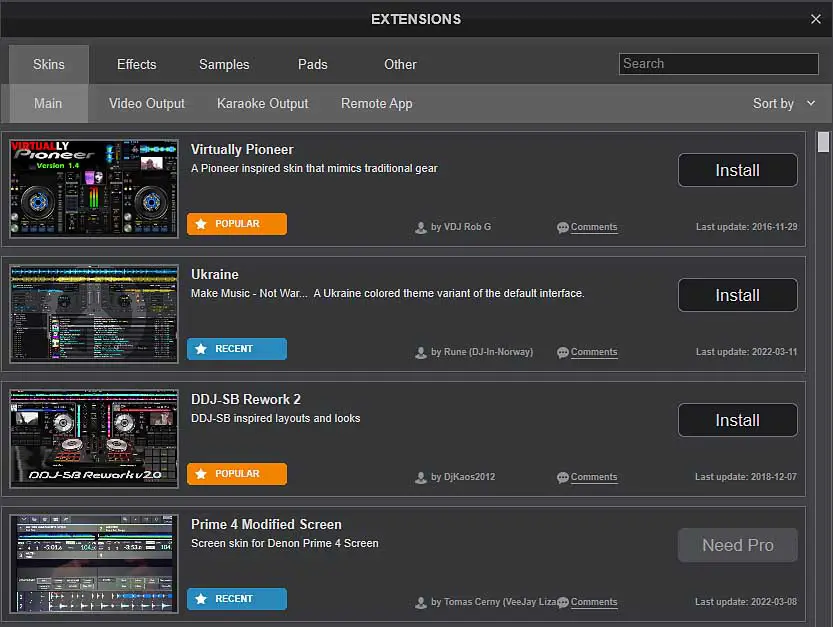
Serato DJ takes a more streamlined approach to customization. It still offers hardware remapping, MIDI mapping, performance settings, and other workflow tweaks, but VirtualDJ gives you substantially more freedom to modify the interface, mappings, scripts, and overall behavior of the software. This is by no means a disadvantage, as Serato DJ ecosystem gives you access to more than enough settings and tweaks for most professionals to configure their setup for almost any use case.
Serato takes a more curated approach to additional features. DVS, Video, Pitch ‘n Time DJ, Flip, Play, and additional FX functionality are available through Serato’s Expansion ecosystem and can be bundled together through Serato DJ Suite.
Stems and real-time track separation
Both Serato DJ and VirtualDJ now offer real-time stem separation, letting you isolate or remove vocals, drums, bass, and other musical elements during a mix.
VirtualDJ has put a particularly strong emphasis on its Stems 2.0 system, including direct stem control from pads and EQ controls. Serato also offers Stems in both Lite and Pro, with Serato DJ Pro providing additional features such as Stems FX.
I wouldn’t choose between the two based on the simple presence of Stems anymore – as both can do it rather well. The bigger difference is how each platform integrates stem control into its wider workflow and supported hardware. And that is largely a matter of preference.
Music streaming services support
Both Serato DJ and VirtualDJ support direct access to online music services, although the available providers differ.
| Serato DJ Lite/Pro streaming services: | VirtualDJ streaming services: |
| – Apple Music – Beatport – SoundCloud – Spotify – Tidal | – Deezer – Tidal – SoundCloud – Beatport – Beatsource – iDJPool – VJ-Pro – KaraokeCloud |
Serato currently has the advantage if Spotify or Apple Music integration is important to you, while VirtualDJ gives you access to a wider mix of DJ-focused music, video, and karaoke catalogs.
Check out these to learn more about using music streaming services with VDJ and Serato:
- Streaming Services Integration With VirtualDJ? (Quick and simple)
- How To Use Streaming Services With Serato DJ Pro & Lite
Who is Serato DJ marketed towards?
Serato DJ has traditionally been especially popular with scratch, open-format, hip-hop, and performance DJs, helped by its strong support for dedicated controllers, mixers, and DVS setups. That said, it’s also a perfectly capable general-purpose DJ platform and is widely used well beyond turntablism. Serato DJ also works perfectly well for conventional club and controller-based sets.
Who is VirtualDJ marketed towards?
VirtualDJ tends to appeal especially to DJs who value customization. Its flexible controller mappings, scripting, skins, interface options, stems controls, and broad hardware support make it well suited to people who like building a workflow around their own preferences.
It’s also very accessible for laptop-only use, but it really shouldn’t be thought of as primarily “laptop DJ software” anymore. VirtualDJ is used with everything from entry-level controllers to professional mixers, DVS systems, video setups, and complex multi-controller rigs.
With this said, VirtualDJ is pretty versatile, you could use it in a club environment, during a scratch performance or another kind of complex live act provided you have some spare time and abilities to customize it for your specific needs and tweak it to your liking.
VirtualDJ is certainly more flexible than Serato DJ, which has its strict, high quality, closed ecosystem in terms of hardware support, user base and specific performance features.
Pros and cons of both Serato & VDJ
Serato DJ:
Pros:
- Strong integration with officially supported DJ hardware.
- Streamlined workflow that’s relatively easy to learn.
- Excellent support for scratch, open-format, and DVS workflows.
- Stems, modern FX, recording, streaming integrations, and a mature performance feature set.
- Spotify and Apple Music streaming support.
Cons:
- Less deeply customizable than VirtualDJ.
- Full functionality may require DJ Pro, Suite, or additional Expansions depending on your setup.
- Supports a narrower range of unusual and legacy hardware than VirtualDJ.
VirtualDJ:
Pros:
- Extremely flexible MIDI/controller mapping and scripting.
- Very broad current and legacy hardware compatibility.
- Advanced Stems integration.
- Highly customizable interface, skins, settings, and addons.
- Strong laptop-only functionality.
- Wide range of music, video, and karaoke catalog integrations.
Cons:
- The huge number of settings and customization options can be overwhelming at first.
- Some hardware designed specifically around another DJ platform may require workflow or mapping adjustments.
- The licensing structure can be less immediately obvious to a beginner than simply using a bundled hardware-unlock license.
The conclusion – which one should you choose?
Serato DJ and VirtualDJ are great pieces of software that can be used without trouble during both professional and amateur performances and will quite easily stand up to every task you throw at them. Their base functionality is close to identical, however as we’ve mentioned when it comes to things like hardware support, customization capabilities and amount of freedom the user has they can differ vastly.
Your final choice should depend partly on the hardware you plan to use, but also on the kind of workflow you prefer.
If your controller was designed primarily for Serato and you value a streamlined, tightly integrated setup, Serato DJ is usually the easiest choice. If you care more about deep customization, unusual hardware setups, scripting, flexible mappings, or VirtualDJ’s wider set of built-in tools, VirtualDJ may suit you better.
Both are very much mature professional DJ platforms, so if your hardware supports both, trying each one before committing is probably the best way to decide.
Hopefully this helped clarify the main differences between Serato DJ and VirtualDJ. If you have any further questions, feel free to leave a comment below. Rock on!