

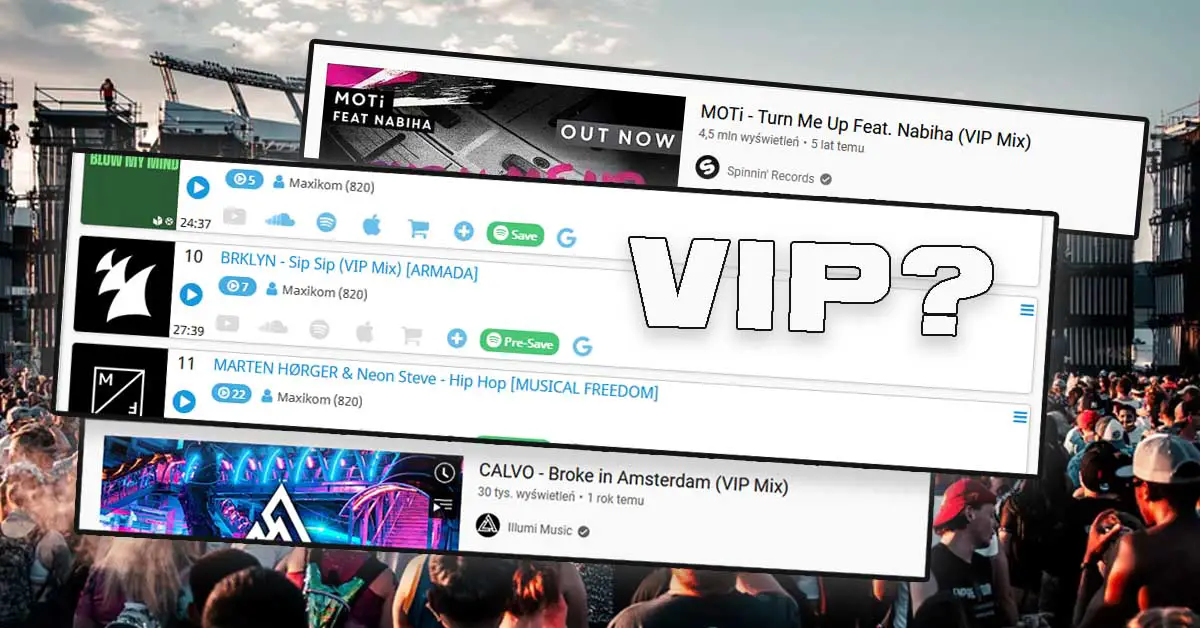
A VIP mix (or VIP edit) is usually an alternate version of a track made by the original producer, often specifically for DJ sets. In modern electronic music, VIP is commonly expanded as “Variation In Production”, although the term does have much older roots in DJ-exclusive dubplate culture and depending on the context, can also be understood more traditionally, as “Very Important Person”.
In simple terms, you can think of a VIP as a producer rebuilding or remixing their own track. The drop, arrangement, drums, vocals, or other elements may change while the original track remains recognizable.
What Does VIP Mean in Music?
VIP as “Variation In Production”
One of the most widely used meanings of “VIP” in modern electronic music is “Variation In Production”. In this sense, a VIP mix is a modified version of a track made by its original producer.
VIP mixes can feature anything from modified drops, melodies, rhythms, or vocals to a substantial reworking of the track’s arrangement and structure.
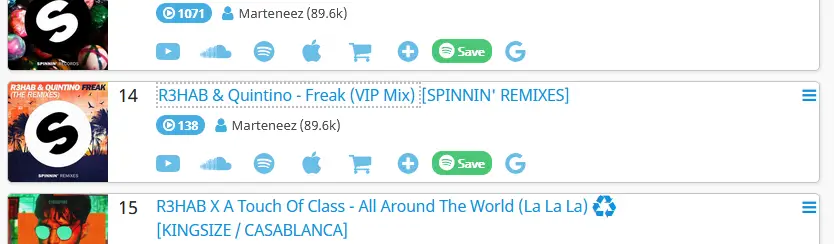
In modern usage, a VIP mix is usually made by the original artist or producer rather than by an outside remixer.
A VIP mix can therefore be thought of as a self-remix, edit, or rearrangement of an artist’s own track.
“VIP Mix” and “VIP Edit” are often used interchangeably in this context.
The Older DJ-Exclusive Meaning of VIP
The term also has older roots in early UK rave, jungle, and drum & bass culture, where special versions of tracks were often made for a particular DJ or a small group of DJs to play exclusively. In this context, VIP was associated with “Very Important Person”.
These versions were closely connected with dubplate culture. Some were one-off or highly limited versions created specifically for prominent DJs, and some even featured the DJ’s name recorded into the track – similar to what we would now call a DJ drop.

A VIP version could also circulate among DJs before the original track received an official release. These versions often contained substantial production or arrangement changes, which helps explain why the modern idea of a VIP as an alternate production of an existing track makes sense as well.
Can an artist release a VIP version of another artist’s track?
Typically, an artist labels a version as a VIP when reworking a track they originally produced.
There is an exception here – remix tracks. There is an important exception when an artist has already produced an official remix of someone else’s track. They can then create a VIP version of their own remix. For example:
- Tiesto & KSHMR – Secrets ft. Vassy (Don Diablo Remix)
- Tiësto & KSHMR – Secrets ft. Vassy (Don Diablo’s VIP Mix)
You may also occasionally see “VIP Edit” used more loosely for an unofficial or custom version of a track the editor did not originally produce. In those cases, the label is being used informally rather than according to the stricter definition above.
Why are modern VIP edits made?
VIP edits are most commonly made to give producers and DJs an alternate version of a familiar track to use during live sets. Some DJs may even switch or mix between the original track and its VIP version during the same performance.

Another reason is to refresh an older track for a new release. A producer can revisit the original project, change its arrangement or sound design, and release the revised version as a VIP.
What are “ID” tracks?
If you’re curious about “ID” tracks in DJ set tracklists check out this quick explanation: What Does “ID” Mean In DJ Sets? Tracklists / Setlists