
A double drop is a DJ mixing technique where the drops of two tracks hit and play together at the same time. It works best when the tracks are phrase-aligned, beatmatched and musically compatible. Here’s how to set one up and perform it cleanly.
You might also like: DJ Controllers Explained! (What Do All These Buttons Do?)
This web portal is reader-supported and is part of the AliExpress Partner Program, Amazon Services LLC Associates Program, eBay Partner Network, and Guitar Center Affiliate Program. When you buy using links on our site, we may earn an affiliate commission.
What is a double drop mix in DJing?
In DJing, the term double drop mix refers to a mixing technique of combining main parts of two electronic songs in a usually fast-paced mashup. In most genres the main part of an electronic track where the energy of the song is focused is called a “drop”. A drop is the high-energy section that follows a build-up in many electronic tracks.
Double drop mixing is a popular DJing technique that is widely used in EDM music mixes. The difficulty of this technique depends on the track choice, how much you plan to manipulate the audio on the two chosen tracks and whether or not you plan to use extra hot cues to combine different parts of the drops.
Generally you can learn to perform a basic double drop mix in less that a few minutes!
Which tracks go well together – how to choose tracks for double drop mixes?
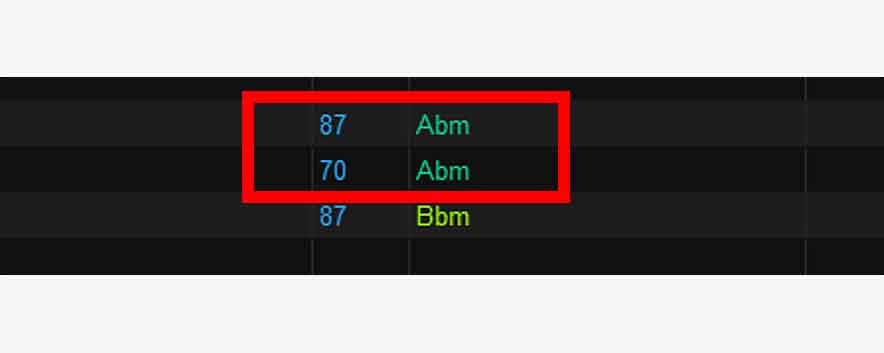
There is nothing more important in double drop mixing than choosing appropriate tracks that will sound good combined. You can know all the techniques in the world but if you choose tracks that have clashing keys, vastly differ in tempo or genre, or are impossible to phrase match correctly all will be for naught.
These are the most important rules of choosing tracks for a double drop mix:
- Choose tracks with matching keys – if you don’t know much about mixing in key and choosing consecutive tracks based on their musical keys, check out this extensive article by DigitalDJTips if you want to know more about mixing in key: How Important Is It For DJs To Mix In Key?
- Mixing in key is a skill that is every DJ should have, not only for double drop mixing but more importantly for making meaningful track choices during a regular mix session.
- Choose tracks with compatible BPM – the original BPM values don’t need to match exactly, but you need to be able to beatmatch the tracks cleanly without pushing either one so far that it starts sounding unnatural.
- Choose tracks that can be phrased properly – avoid tracks in different time signatures, with vastly differing drop lengths or song structures.
- Be prepared to experiment a bit – when you become a little bit more experienced, be ready to ditch some of these rules and experiment using the trial and error method, sometimes the best results come from the most unpredictable track combinations! Once you find combinations that work, save them in a small mini-mix playlist so you can come back to them quickly.
- Avoid clashing basslines! – at all costs avoid bass frequencies clashing in your mashup. If only you have an EQ on board you should turn down the bass of one of the tracks, in most cases to zero. You can do this by simply turning the low knob all the way down. You can choose by yourself which of the two tracks will have its bassline playing and which one will have it cut off. Two full basslines playing together can easily get muddy or clash, even when the tracks are in compatible keys. As a rule of thumb, let one track carry most of the low end and use the EQ to make room for the other.
How to do a double drop mix – step by step guide
The steps to performing your first basic double drop mix are pretty simple, here are the things you have to do in order to perform it.
- Prepare two tracks that go well together in terms of tempo, key, phrasing and genre – this is a crucial step that is sometimes more important that exact flawless execution of the next steps. If you’re unsure how to do this refer to the previous paragraph.
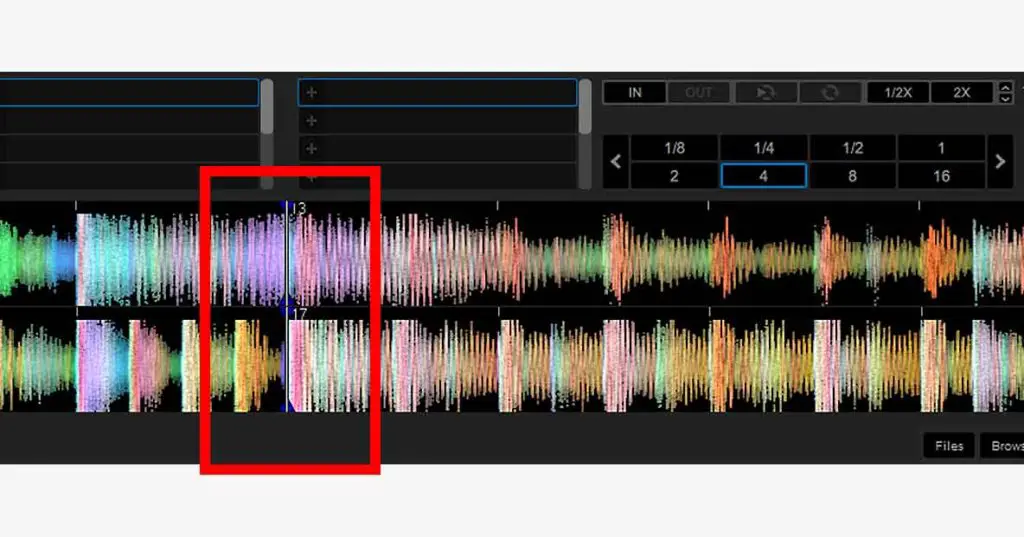
- Choose a mix entry point on both tracks – after you’ve found two tracks (let’s say track A and B) which drops go well together, you have to find an entry point in the tracks that you will use to begin your short drop mashup and mark these points by placing hot cues on them.
- Those points can be the beginning of the drop or, for example, 8, 16 or 32 bars before it. What matters is that both entry points are the same musical distance from their respective drops so the drops land together. When the track A reaches your chosen point you have to immediately play the second track B from its set entry point so that both the tracks are playing together in sync from the set entry points (change the tempo of track B to match the track A using your pitch fader if the tempo of the tracks doesn’t match).
- If you miss your mix opportunity you can always reactivate the mix entry point marking hot cues on both decks at the same time and have both tracks in sync immediately.
- Synchronize the tempo of the two tracks – now when the two tracks are playing together from the marked entry points (you can have the track B silent in the beginning and slowly bring it up or have both the tracks playing at full volume from the start) you have to make sure that they are synced well. Use your controller’s jog wheel edges to nudge the track into the right position or use the sync button to match the beats of the two track playing. If you’ve synced the tracks correctly and followed your mix entry point correctly, the drops of both the tracks will hit together at the same time.
- Remember not to let the basslines of the two tracks clash. Turn down the bass knob on one of your tracks and feel free to manipulate the equalizer knobs even further to ensure that the two tracks are mixed in a best way possible. Trust your ears!
- The stage is yours – now all is dependent on the tracks you chose (their structure, phrase lengths and musical content), from now on you can use the channel volume faders or the crossfader to either jump from one drop to another or blend the two drops together with the help of your controller’s EQ. Again – this will sound good only if the tracks you’ve chosen are a good match!
- Exit your double drop mashup – you have to plan in advance what are you going to do when the drop of either of the tracks ends. In most cases a good thing to do is to wait for the breakdown/end of the drop in one song and just stay in it until you will be able to freely mix out of it into your next planned track.
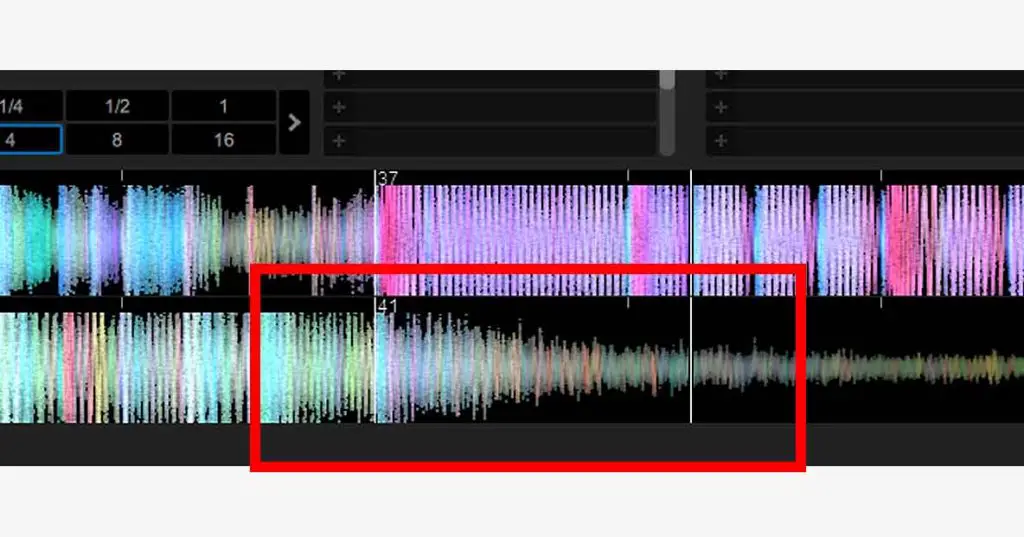
Can I use sync while performing a double drop mix?
You certainly can use your controller’s sync functionality for a double drop. You can also do it manually. The important part is that the tracks are beatmatched and phrase-aligned so the drops hit at the same time. If you use sync, make sure your beatgrids are correct.
When mixing more than 2 tracks together actually it’s often hard to go without using sync. Key Sync can also help when two tracks are otherwise a good match but their keys clash. Large pitch shifts can sound unnatural though, so always check the result by ear.
What is next? – Multi channel mixing
A step further from doing a simple two channel double drop mashup would be to perform the same kind of trick but this time with 4 matching tracks synchronized and properly phrased. This touches the subject of multi channel mixes that is a popular topic among more ambitious club DJs.
For a four-track mashup, a 4-channel controller or mixer with four physical channel faders is by far the most convenient setup. A 2-channel controller with 4-deck layer controls can also do it, but juggling four decks through two physical channels is much less practical.
If you are ambitious and want to try something new, you can find 4 tracks that go well together and attempt to prepare a 4 channel drop mashup. This however needs to be prepared and unlike a simple double drop mix generally cannot be improvised.
There is no shame in using the sync functionality while doing a multichannel mix or mashup. In fact, many times it’s close to impossible to do it without it. Experiment, go through trial and error while choosing your tracks and practicing and surprise your audience during your next gig. Double drop mixing and multi channel mashups are loads of fun when prepared and executed correctly. Don’t miss out on that!