About DJGear2K

DJGear2K is an independent online publication edited, maintained and in large part authored by Tom Smigla, a DJ equipment enthusiast, bedroom DJ and producer with experience in the technical side of DJ hardware, commercial music production and live audio.

The website takes a customer-first approach to navigating the rather broad landscape of modern and legacy DJ gear. In other words, it focuses on practical information that helps you understand what a piece of hardware or software actually does, how different products compare, and whether a particular setup makes sense for the way you plan to DJ.

In 2026, DJGear2K underwent a large rework and overhaul, including a full review and update of the existing article library, a cleaner site structure, and rebuilt coverage of current DJ equipment, legacy hardware, DJ software, comparisons and practical guides.

What You’ll Find on DJGear2K

Most of the site is organized into four main sections – DJ Gear, Comparisons, DJ Software and DJ Guides.

That includes current DJ controllers and standalone systems, older and discontinued hardware that still matters on the used market, direct product comparisons, buying guides, software compatibility and workflow articles, as well as practical technical guides covering controls, audio connections, equipment maintenance and troubleshooting for all levels of experience.

I don’t believe every older piece of gear becomes irrelevant as soon as its replacement comes out. DJGear2K therefore also covers a fair amount of legacy hardware, with the aim of putting it into the right modern context: whether it is still supported, what has replaced it, what it can still do well, and when buying one used might actually make sense.

About Me & What I Do

I’m Tom Smigla, the main editor and author of DJGear2K. While DJing is not my main job, I’m a huge DJ equipment enthusiast – especially when it comes to its technical side – a bedroom DJ and producer by night, and the author of a few other online projects you might have already come across. I have years of experience in tech journalism as well as commercial music production.

My musical experience includes both classical music performance and composition – I graduated from ASM in Krakow in 2021 – as well as production of electronic music mixed with industrial influences in my personal music projects, and stock music and soundtrack production on marketplaces such as AudioJungle and Pond5.

This kind of experience in both tech journalism and music lets me cover quite a lot of different topics with confidence, and also lets me go beyond the purely “controller-bound” approach that, while very useful, can sometimes omit interesting technical or musical angles.

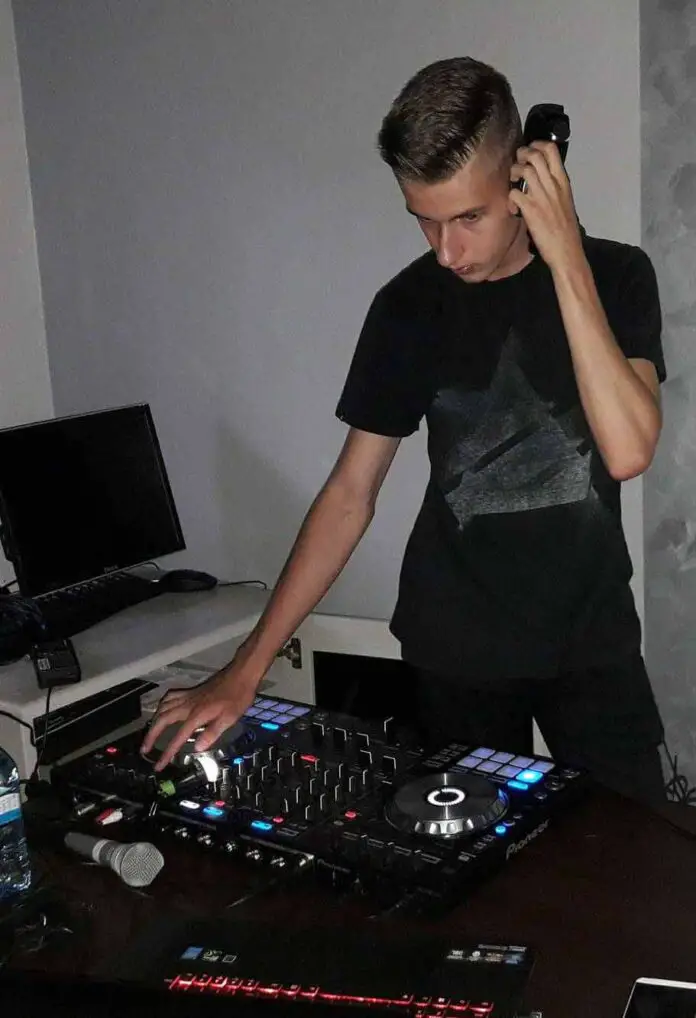
DJ setup with a first-generation Pioneer DDJ-SX controller.
Ages ago, with my first proper DJ controller -
the Pioneer DDJ-SX.

DJing and DJ equipment itself have always struck me as a fascinating topic, ever since I got my hands on my very first DJ controller around 2014 – the first-generation Pioneer DDJ-SX, which I have very fond memories of. Since then I’ve been following market trends, software changes and technical developments in the industry, while gathering experience with more and more interesting gear and software.

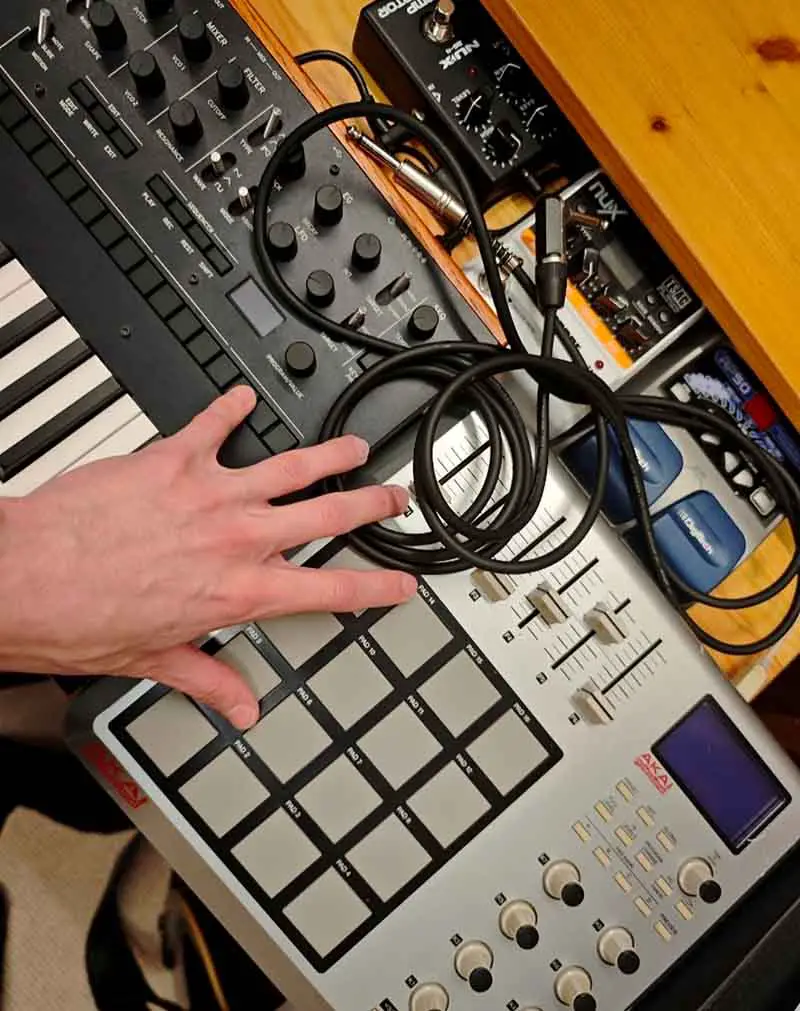
Music production setup with an MPC sampler, a Korg Monologue synthesizer and standalone effect units.
I've amassed quite a fun collection of both older
and newer devices over the years.

Beyond DJ Controllers

DJ controllers are also only one part of the music hardware I’ve worked with over the years. My production setups have included synthesizers, samplers, effects units, audio interfaces, MIDI equipment and various other pieces of music-related tech. I’ve always enjoyed experimenting with different kinds of hardware, figuring out how they work together and, quite often, finding slightly unconventional ways of using them.

That broader experience becomes particularly useful whenever a DJ topic crosses over into audio routing, MIDI, music production, live audio or the more technical side of how different pieces of hardware and software interact – which happens way more often than you’d think. It also gives me a slightly wider frame of reference when looking at things such as audio interfaces, inputs and outputs, external effects, software integration or the way a particular piece of DJ gear might fit into a larger setup.

And while I sadly can’t own every device I write about, over the years I’ve amassed quite a fun collection of both older and newer music hardware. Some of it gets used regularly, some comes out when a particular project calls for it, and some of it is simply too interesting for me to get rid of.

How I Approach the Content

Having quite a bit of experience writing content such as product reviews, in-depth analyses, comparisons, and hardware and software tutorials, I believe a tech-first, customer-first and practical approach to be the most helpful way of writing about any kind of technology that the reader might be unfamiliar with.

I aim for every piece of content present here to be both useful and easy to understand, regardless of whether it’s aimed at beginners or more advanced readers. That means getting to the important differences quickly, avoiding recommendations based only on spec-sheet numbers, and trying my best to keep older articles updated when products, software support or the market around them materially changes.

Affiliate relationships, which do help keep the site up and running, do not determine which products I recommend, which products are compared, or what conclusions I come to.

But, in the end, the one to judge whether the content is useful is you.